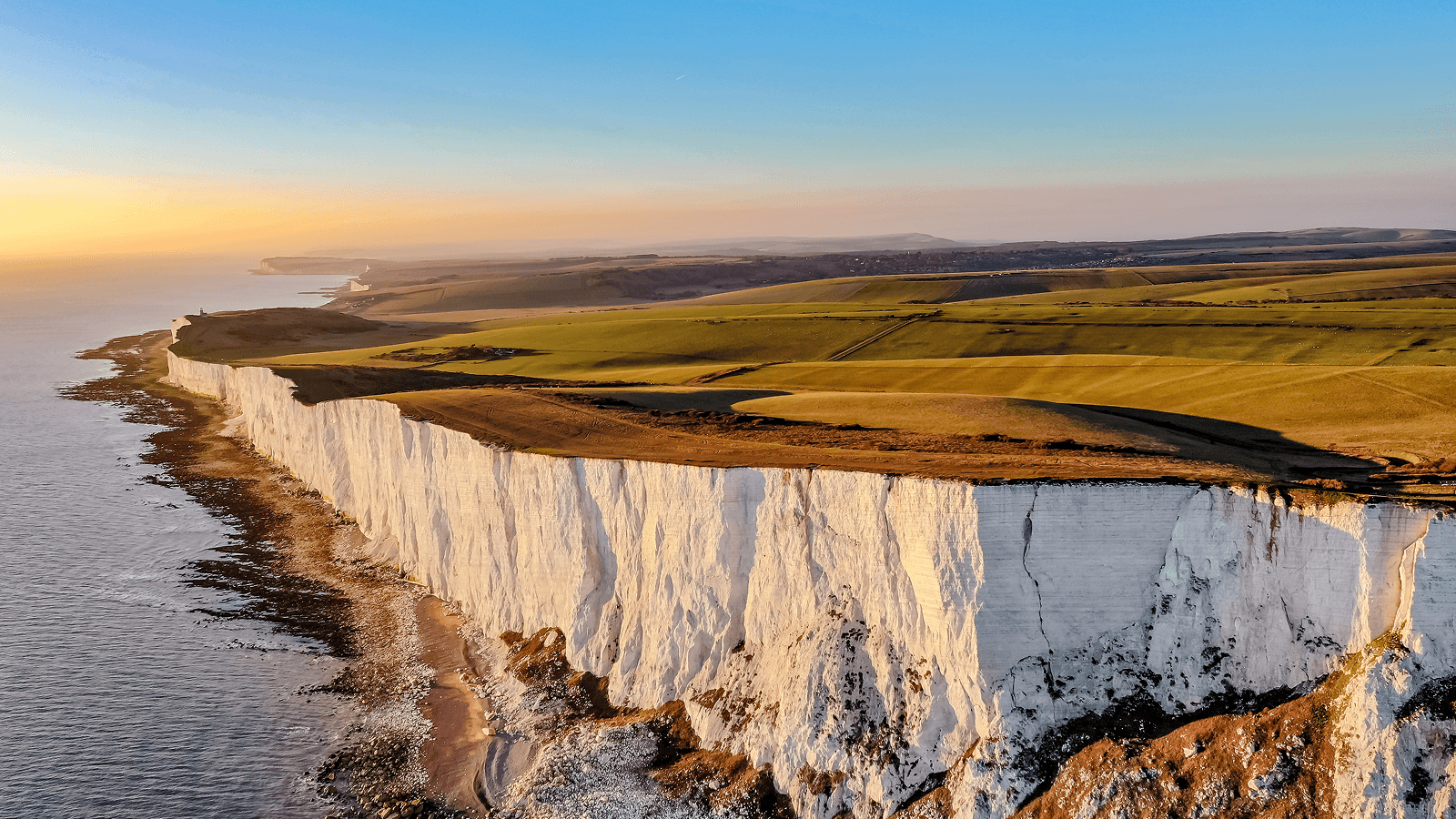
This December, we’re adding 18 new individuals dating to the Late Antique Period in Dalmatia to our Historical MatchesSM feature.
These newly added historical matches offer a rare biological glimpse into a world in transition during the decline of the Roman Empire. Keep reading to learn more about the region’s unique history.
What is the Late Antique Period?
Historians generally define the “Late Antique” period as the era between the third and seventh centuries CE. It was a time of significant transformation for the Roman world, as political instability, shifting borders, and economic pressures altered long-standing structures across the Mediterranean. This period bridged the gap between the classical Roman era and the early Middle Ages.
Where is Dalmatia?
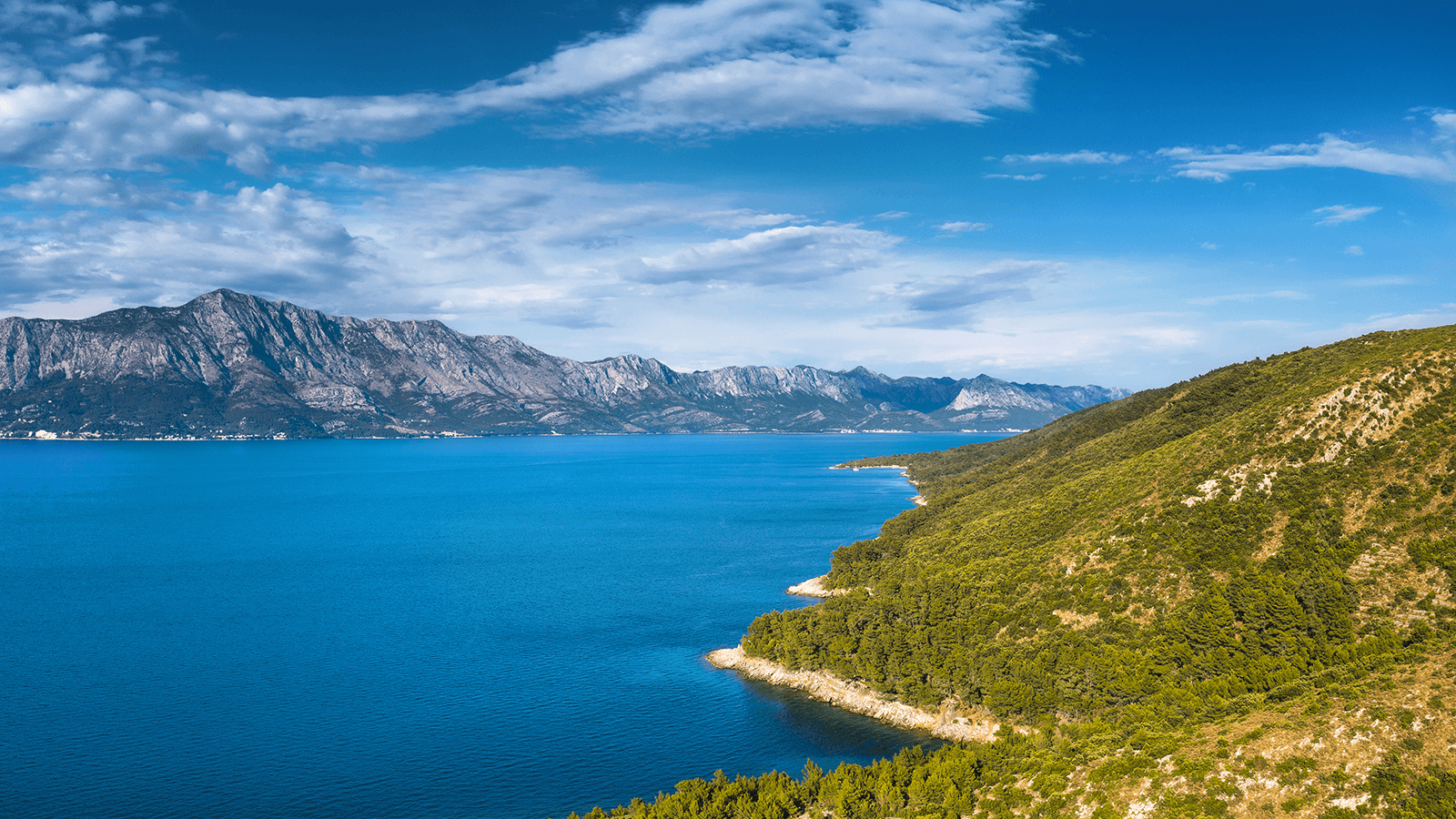
The Roman province of Dalmatia was situated along the eastern coast of the Adriatic Sea, encompassing much of modern-day Croatia, Bosnia and Herzegovina, Montenegro, and parts of Serbia and Albania. The region takes its name from the Dalmatae, an Illyrian tribe that historically inhabited the interior.
For centuries, Dalmatia was integrated into the imperial Roman system, featuring established coastal towns, island settlements, and a network of roads and ports that linked the Eastern and Western halves of the Empire. Its position along major maritime routes meant it remained a key logistical hub even as the Empire faced mounting challenges.
Life in the Late Antique Port of Hvar
Although we know Dalmatia served as a vital connection point during this period, historical records reveal relatively little about the daily lives of its inhabitants. To fill this gap, a 2024 study analyzed the remains of 33 individuals recovered from the Hvar-Radoševi? burial site on the island of Hvar.
Using a multidisciplinary approach that combined ancient DNA sequencing, chemical dietary analysis, and skeletal health assessments, the research team reconstructed the biological profile of this community.
Their findings painted a vivid picture of a community shaped by its connection to the wider Roman world. While most individuals were genetically similar to other ancient Mediterranean populations, the study identified several outliers with roots in the eastern Mediterranean and North Africa, confirming the island’s role as a cosmopolitan crossroads.
However, the instability of the Roman world at this time also had its impact. Despite access to the sea, the dietary analysis revealed a surprise: the population appears to have consumed very little seafood, subsisting mostly on grains and terrestrial crops. The skeletal evidence further revealed that life in this strategic port was physically demanding, characterized by high childhood mortality and signs of significant physiological stress.
Learn More
Could you be connected to the inhabitants of Late Antique Dalmatia—or to hundreds of other historical individuals? The Historical Matches feature is available to 23andMe+ Premium™ members.