
Key Takeaways
|
Did you know 23andMe has published over 40 research papers on mental health? This Mental Health Awareness Month, we’re taking the opportunity to share some of what we have found.
We’ve spent years studying the DNA of millions of consented research participants, and with this powerful dataset we’ve been able to identify genetic variants linked to conditions like depression, bipolar disorder and obsessive-compulsive disorder.
A rugged genetic landscape
The genetic underpinnings of mental health are complex, to say the least. There are potentially hundreds or thousands of genetic variants linked to any given condition, and it takes a huge community of research participants to uncover just a fraction of them.
Over the years, as our research community has grown, it has enabled us and our academic collaborators to identify more and more genetic associations with psychiatric conditions. Those findings not only shed light on the biology of these conditions, but also pave the way for research seeking better treatments.
We’ve been working to ensure these studies include people of diverse ancestries, too, something that’s not only important to enable the development of treatments that work for everyone but has also been shown to power more and better genetic discoveries.
Breaking down silos
Our research has also gone beyond looking at single conditions to understand how the genetics of different mental health conditions may be related. Researchers have found that many psychiatric conditions have substantial genetic overlap with each other, and even with other kinds of health conditions. For example, studies of 23andMe consented research participants found that genetic variants linked to psychiatric conditions were also linked to chronic pain, alcohol use disorder and even endometriosis.
The reasons for that are an ongoing topic of investigation, but one reason is that a single gene often has many roles in the body.
Filling in the broader picture
While genetics plays an important role in mental health, it’s by no means the only factor. Elements like one’s environment and stressful life experiences are important too. Of course, we’ve tackled this topic as well. 23andMe research participants respond to surveys on life experiences, health history and more, enabling studies like one that looked for ways individuals can lower their risk of depression and others seeking to understand who will experience treatment-resistant depression.
We’ve also been looking at how genetics can impact the body’s response to certain medications and lead to more side effects for some people. Researchers hope that this kind of information could help people find the best treatment for them, faster.
Research insights for real life
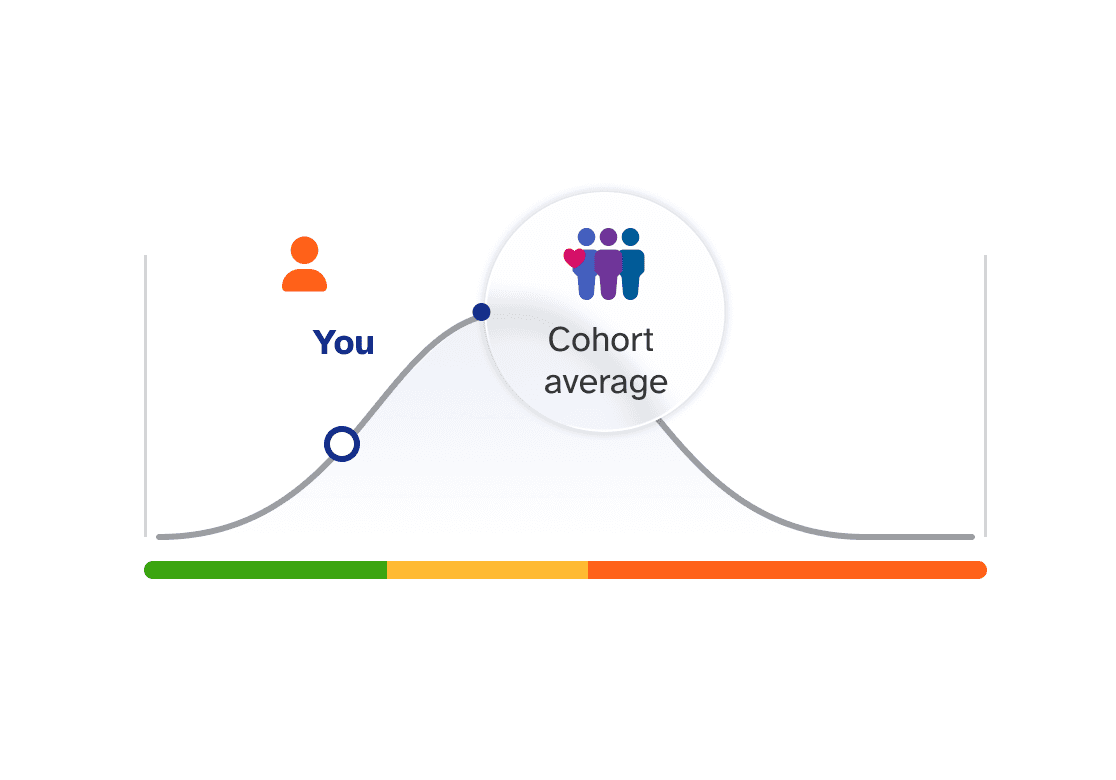
We also are working to return these genetic insights to our members. 23andMe+ Premium™ members receive genetic reports that provide insight into the likelihood of being diagnosed with depression, anxiety, bipolar disorder and more, based on the complex genetic associations uncovered in our research. Members can also learn whether they have genetic variants that can impact how their body processes certain medications, including certain antidepressants.
For many people, learning about all the factors that impact our and our families’ mental health — the combination of past and current stressors on a background of our unique genetics — can help illuminate a path forward to better well-being. In our research, we’ve found that learning of a genetic predisposition to depression doesn’t exacerbate symptoms of anxiety or depression, and our experience of communicating this information has shown us that many individuals find it both validating and empowering.
Today, it can take far too long to find an effective strategy for managing mental health symptoms, and the treatments that are available remain imperfect at best. It’s central to 23andMe Research Institute’s mission not only to enable research that moves the mental health field forward, but also to make insights from that research directly accessible to individuals.