Key Takeaways
|
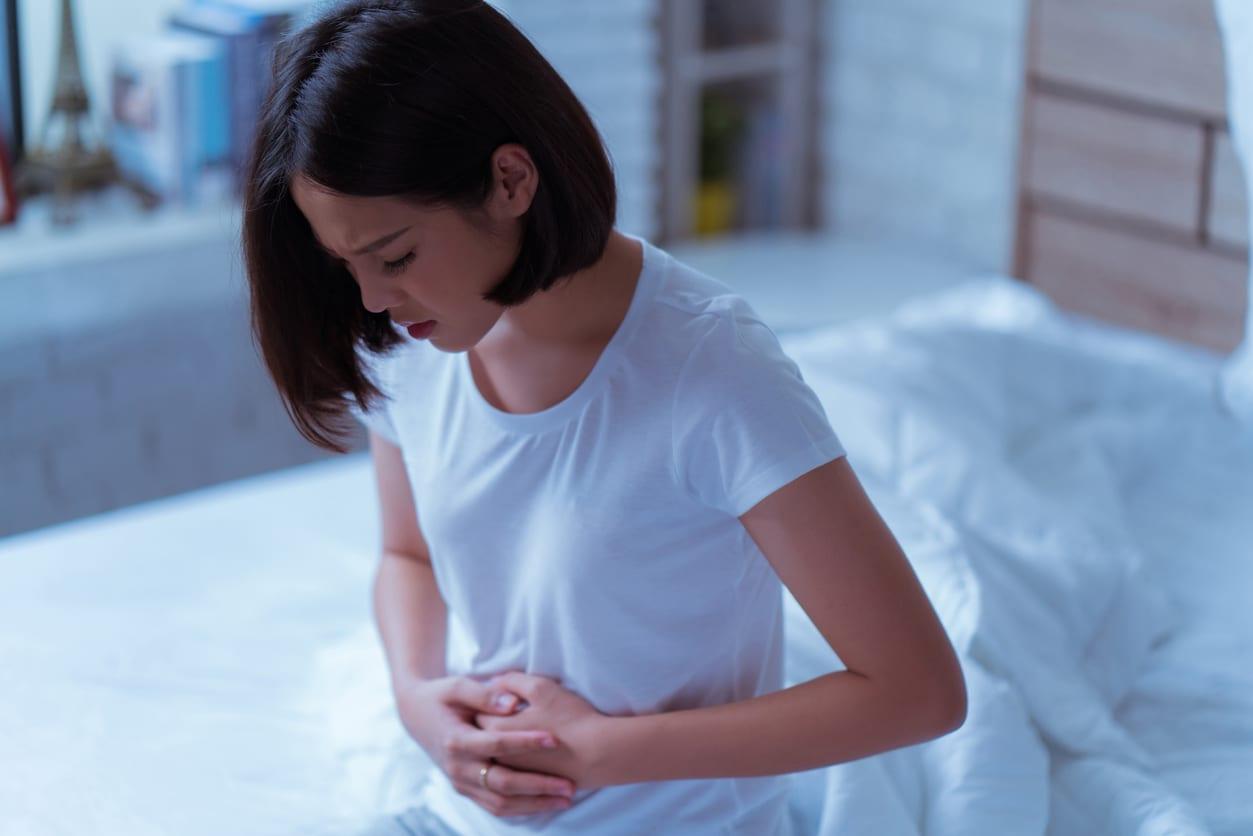
Imagine living with pain so severe it reshapes your calendar, your career and your sense of what your body can do, then waiting up to 12 years to learn why. That is the reality for many people with endometriosis, a condition in which tissue similar to the lining of the uterus grows outside the uterus and can cause severe pelvic pain, heavy periods and infertility. As many as one in 10 women live with it, yet its biology has remained stubbornly difficult to untangle. A new study is helping change that.
A Bigger, More Diverse Look at Endometriosis Genetics
The study published recently in Nature Genetics is the largest multi-ancestry endometriosis genome-wide association study, or GWAS, ever conducted. A GWAS scans the genomes of large groups of people to find genetic variants that occur more often in people with a given condition.
This study analyzed data from 105,869 people with endometriosis, including more than 30,000 23andMe consented research participants with the condition, nearly doubling the number of cases studied in previous endometriosis GWAS. Researchers identified 80 genetic variants associated with endometriosis, 37 of which are new discoveries.
The analysis also showed that the genetics of endometriosis may differ depending on your ancestry. Seven of the 80 genetic variants had different effects in different populations. For example, variants near the HMGN1P19 and SYN3 genes were more strongly associated with endometriosis in people of East Asian and European ancestry. This research is starting to show that endometriosis may share a common genetic story across populations, but the genetics appear to shape the picture differently in those from different parts of the world.
What the Data Source Reveals About the Disease
Many people in the study self-reported if they had endometriosis or not. Self-reporting is reasonably reliable, with people correctly identifying their endometriosis diagnosis about 84% of the time, but how the data is collected can influence which genetic signals come into focus.
To investigate this, the researchers looked at people who had clinically confirmed endometriosis, meaning a diagnosis documented in medical records, separately from people who self-reported the condition. Even with a smaller sample, five genetic variants were associated with endometriosis in the clinically confirmed group, including a previously known signal near the ZHX3 gene, that were not found in the larger analysis. By looking at just the subgroup of people with clinically confirmed endometriosis the researchers were able to uncover more genetic variants that could reflect more severe, or more symptomatic forms of the disease.
From Genes to Potential Therapies
This study also looked into potential treatments for endometriosis. By using GWAS results to predict whether existing drugs might target endometriosis, the researchers flagged five candidates for repurposing.
Drug repurposing may help shorten the long path from discovery to clinical use because these compounds already have safety data and known dosing. For a condition with few targeted treatment options, that kind of head start matters.
Why Inclusive Research Still Has Work to Do
This study included people from six different ancestry groups, which allowed researchers to find variants that smaller, less diverse studies could not. However, when researchers developed a polygenic risk score (a way of combining the effect of many genetic variants to predict the likelihood of having or developing a condition) based on data from people of European descent it did not perform equally well across ancestries.
Genetics research has historically underrepresented many communities, and that gap shapes what these models can do for whom. Closing it will require continued investment in ancestry-informed risk models and broader participation in research.
The 23andMe Endometriosis Report
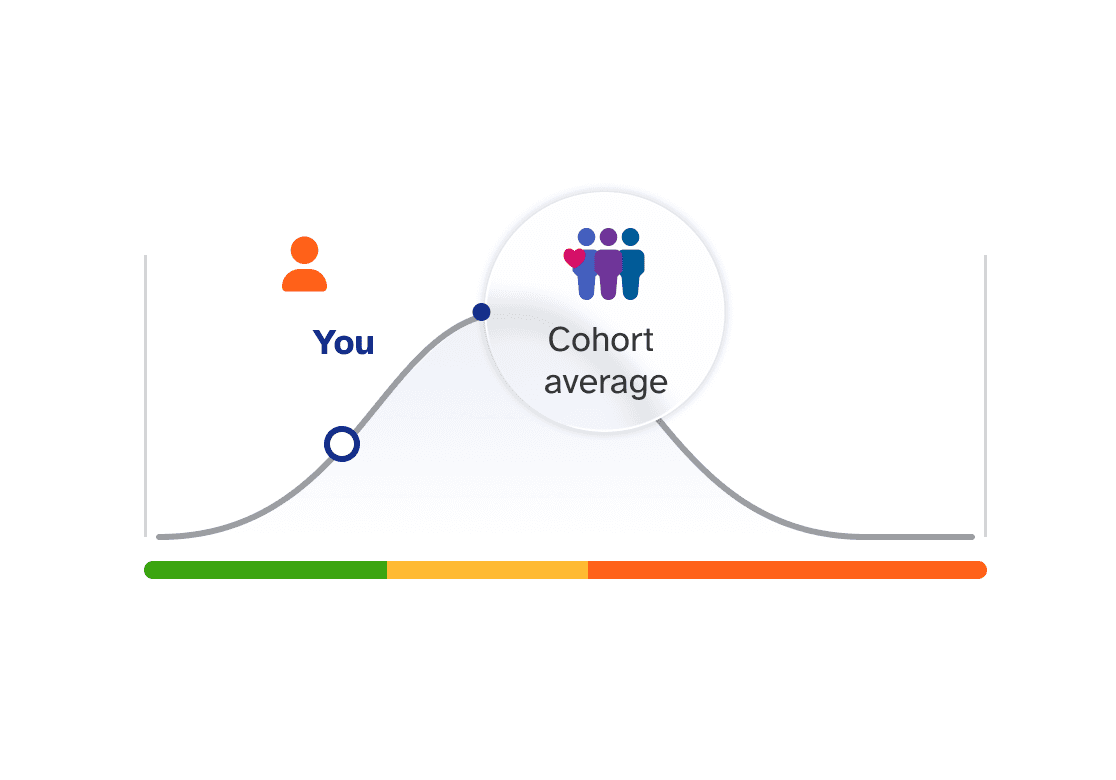
23andMe offers an Endometriosis PRS report* to 23andMe+ Premium™ members, drawing on more than 13,000 genetic variants to estimate a person’s likelihood of developing the condition. The report is one way the science emerging from studies like this one can reach people directly.
* The 23andMe Endometriosis PRS report is based on a genetic model that includes data and insights from 23andMe consented research participants and incorporates more than 13,000 genetic variants to provide information on the likelihood of developing endometriosis. The report does not describe a person’s overall likelihood, does not account for lifestyle or family history, and has not been reviewed by the US Food and Drug Administration. The Endometriosis PRS report is not intended to tell you anything about your current state of health, or to be used to make medical decisions or determine any treatment.
NOTE: Within this blog post, we use the word “women” to refer to people whose sex assigned at birth is female. However, we recognize that not everyone who experiences endometriosis will identify as a woman, and being categorized by birth sex may be an uncomfortable experience for some people. We do not mean to delegitimize anyone’s gender identity. Learn more about why we made this decision in this help article.