Key Takeaways
|
Around 13 million people in the U.S. have PTSD, yet stigma and lack of awareness mean many go without support. In recognition of PTSD Awareness Month this June, 23andMe has released a new Post-Traumatic Stress Disorder (PTSD) Polygenic Risk Score report* to help 23andMe+ Premium™ members understand how their genetics may influence their chances of developing PTSD, and to help all of us better understand this complicated condition.
What is PTSD?
Post-traumatic stress disorder (PTSD) is a mental health condition that can develop after experiencing or witnessing a traumatic event, such as a serious accident, a natural disaster, assault or war. While many people experience strong emotional reactions in the days and weeks after a trauma, PTSD is diagnosed when symptoms last for at least a month and significantly interfere with daily life.
Symptoms of PTSD fall into four main groups:
- Intrusive memories, like flashbacks or nightmares
- Avoiding reminders of the event, including places, people or activities
- Negative changes in mood or thinking, such as guilt, detachment and loss of interest
- Changes in arousal, including feeling on edge, being easily startled or angered and having trouble concentrating and sleeping
PTSD can affect people of all ages and backgrounds. In the U.S., about 5% of people experience PTSD each year. Symptoms usually begin within a few months of the traumatic event but can sometimes start years later.
The Role of Genetics
After experiencing a potentially traumatic event, some people will develop PTSD and others won’t. Genetics can help explain some of this difference.
Like many other mental health conditions, genetic risk for PTSD is polygenic: rather than single genetic variants with a big impact on risk, the chances of developing PTSD are influenced by many genetic variants, each with a small impact. For example, a recent large-scale genome-wide association study (GWAS) identified nearly 100 locations in the genome associated with PTSD. Some of these variants were in or near genes that play important roles in how brain cells communicate with each other and how the brain is physically structured, providing insights into the biological basis of PTSD and why some people are more likely to develop the condition than others.
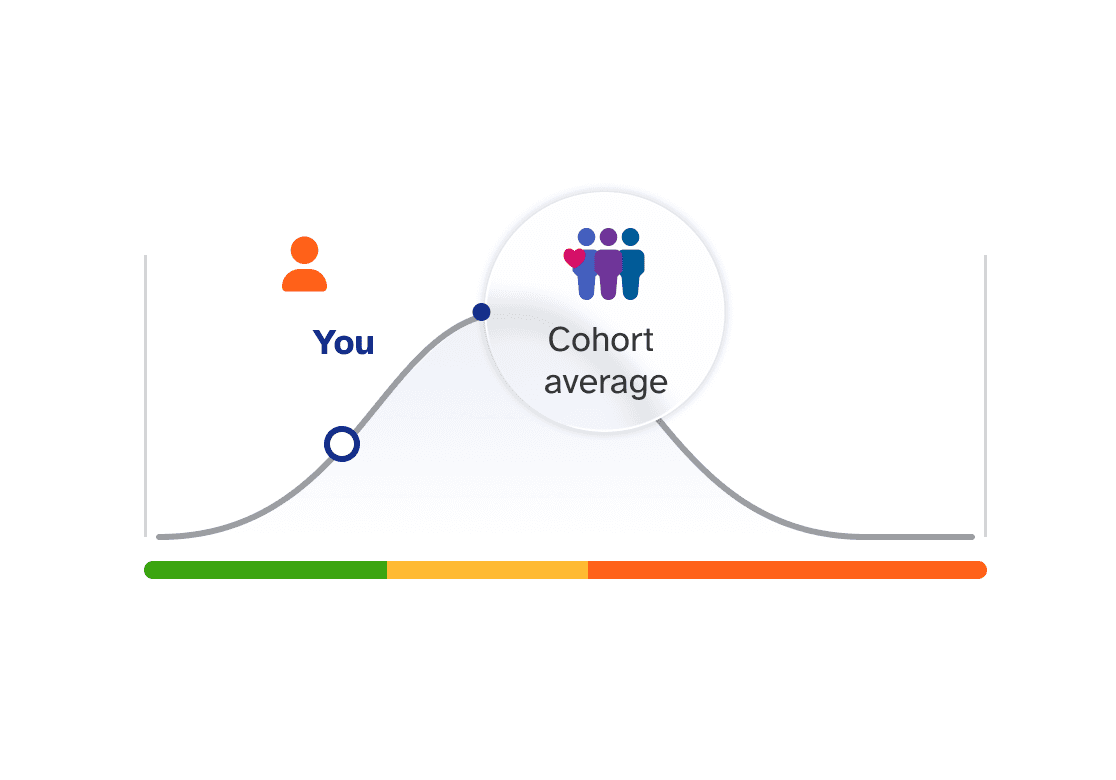
23andMe scientists independently investigated if it was possible to build a polygenic risk score (PRS) for PTSD. A PRS is a statistical model that estimates a person’s likelihood of developing a condition based on the combined impact of thousands of small genetic variants. Thanks to the contribution of more than 3 million consented 23andMe research participants, we were able to generate a PRS that analyzes more than 11,000 genetic variants to estimate the likelihood of being diagnosed with PTSD.
Beyond Genetics
Researchers believe that genetics combine with other factors to influence how likely a person is to develop PTSD after experiencing a traumatic event. These factors include:
- Previous exposure to trauma, particularly during childhood
- Ongoing life stress, such as job loss and discrimination
- A personal or family history of other mental health conditions like anxiety or depression
- Having limited social support after a traumatic event
Taking Care of Yourself After Trauma
While PTSD is impacted by some factors that can’t be changed, it’s also impacted by some things that can. Research shows that seeking support and maintaining a healthy lifestyle after a traumatic event can help with recovery and may help prevent short-term stress reactions from developing into PTSD.
- Talk to a mental healthcare professional. Although it can take time, many cases of PTSD respond well to therapy, medication or a combination of the two.
- Try to prioritize sleep and other healthy routines. Healthy sleep habits, exercise and mindfulness activities can help reduce stress.
- Avoid using alcohol and drugs to cope. Leaning on alcohol or drugs can worsen symptoms of PTSD and can interfere with treatment.
- Stay connected. Supportive friends, family and community can provide comfort and help with recovery.
Importantly, getting support from a healthcare professional is a normal and recommended part of PTSD care, and research shows that treatment can make a real difference.
If you or someone you know needs support, contact the National Alliance on Mental Illness (NAMI) helpline, or find a helpline in your area.
Fighting Stigma Around PTSD
Many misconceptions contribute to stigma around PTSD. Some people wrongly assume that PTSD only affects certain groups, like veterans. Others assume that people with PTSD are dangerous or a threat to others.
The reality is that PTSD can impact anyone and can result from a wide range of life experiences. It is treatable, and many people benefit from support from a mental healthcare professional. And while PTSD is a serious health condition, it doesn’t define you.
PTSD Awareness Month is a perfect time to help fight stigma by learning the facts and offering kindness and support to those living with PTSD.
Learn About Your Genetics
The Post-Traumatic Stress Disorder (PTSD) PRS report was made possible thanks to millions of 23andMe customers who have consented to participate in research. Their contributions enable our scientists to make genetic discoveries that help the entire research community better understand health and disease, and allow us to develop new reports and features that deliver personalized genetic information to our members.
If you’re a 23andMe+ Premium member, you can now access your Post-Traumatic Stress Disorder (PTSD) PRS report (along with your other Health Predisposition reports) to see how your genetics may influence your chances of developing PTSD.
23andMe+ Premium members also have access to several other mental health-related reports:
* The 23andMe Post-Traumatic Stress Disorder (PTSD) PRS report is based on a genetic model that includes data and insights from 23andMe consented research participants and incorporates more than 11,000 genetic variants to provide information on the likelihood of being diagnosed with PTSD. The report does not describe a person’s overall likelihood, does not account for lifestyle or family history and has not been reviewed by the US Food and Drug Administration. The Post-Traumatic Stress Disorder (PTSD) PRS report is not intended to tell you anything about your current state of health, or to be used to make medical decisions or determine any treatment.