Imagine a burning sensation in your chest, a sour taste that just won’t go away, or a nagging feeling that you have a lump in your throat. This can be the reality for approximately 20% of people in the U.S. who suffer from gastroesophageal reflux disease (GERD). More than just occasional heartburn, GERD is a chronic condition where stomach acid frequently backs up into the esophagus, and can cause discomfort, damage, and sometimes serious long-term health risks.
At the 23andMe Research Institute, we’re diving deep into the science behind this widespread disorder. Thanks to the invaluable contributions of consented research participants, we’ve begun to unravel the genetics behind who may be more susceptible to GERD. We’ve identified over 8,000 genetic markers associated with the condition and used them to estimate the likelihood of developing GERD. 23andMe+ Premium™ and Total Health™ members can now see their likelihood in the new Gastroesophageal Reflux Disease (GERD)* PRS report.
But while genetics can set the stage, other factors also contribute to the performance. Read on to explore what GERD is, its potential long-term consequences, and the combination of genetic and lifestyle factors that impact the chances of living with this disruptive digestive condition.
What Happens When Reflux Becomes Chronic?
While occasional acid reflux is uncomfortable but generally harmless, when it occurs at least twice a week for several weeks, it may be diagnosed as GERD. Over the long term, prolonged and frequent acid exposure can lead to more serious complications, including:
- Esophagitis: Inflammation of the esophagus, which can cause pain and difficulty swallowing.
- Esophageal Strictures: Scarring, leading to a narrowing of the esophagus that complicates swallowing.
- Barrett’s Esophagus: In some individuals, changes in the tissue lining the esophagus can happen, leading to slightly higher chances of developing esophageal cancer.
Understanding Risk Factors
The Genetic Component
Genetics plays a significant role in a person’s likelihood of developing GERD.
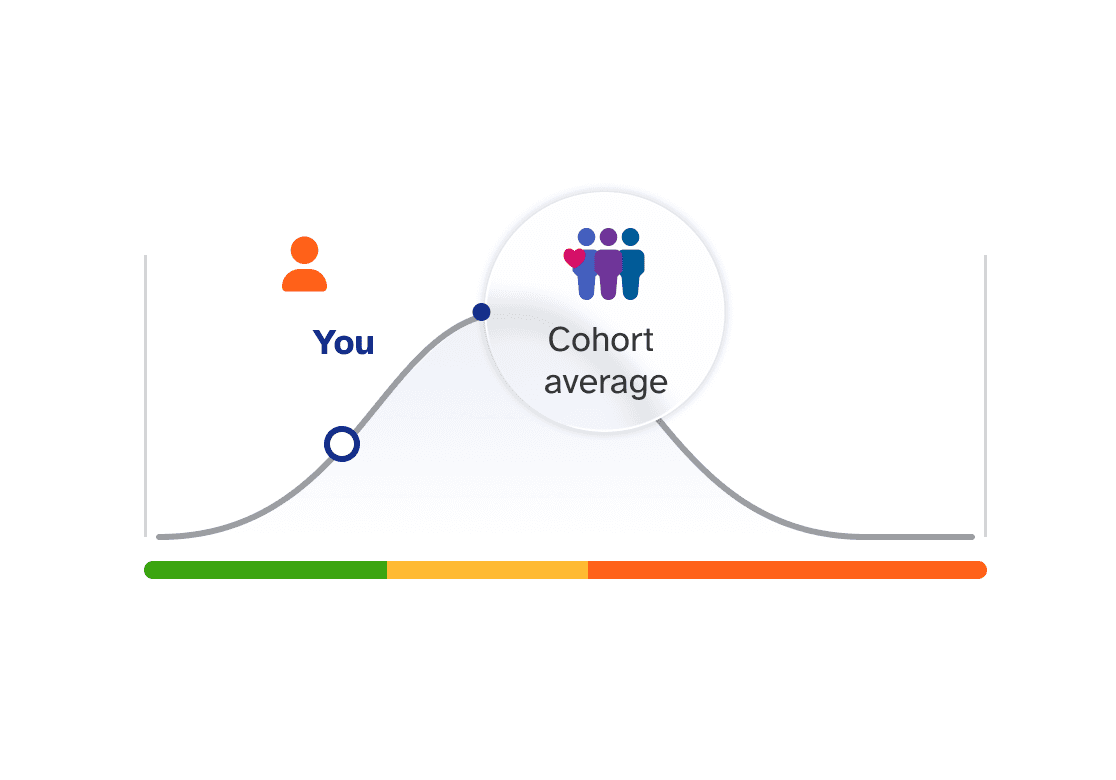
Through more than three million consented 23andMe research participants, we were able to identify over 8,000 genetic markers associated with GERD and develop and deliver a polygenic score back to members. A polygenic score is a statistical model that uses information from many genetic markers across the genome to estimate an individual’s likelihood of developing a common condition.
The willingness of our participants to contribute to research is critical to this work. As more people participate, we will seek to update our results and estimates over time as the model, available data, or scientific understanding of GERD improves.
Other Factors
Several other factors can also increase the likelihood of developing GERD or worsen its symptoms:
- Age: GERD becomes more common as people get older, particularly after age 50.
- Pregnancy: Hormonal changes and the increased pressure on the abdomen from a growing fetus can make GERD more likely during pregnancy.
- Certain Medications: Some medications are known to increase GERD risk or exacerbate symptoms. These include certain drugs for high blood pressure, depression, and asthma, as well as some over-the-counter pain relievers like ibuprofen and aspirin.
- Certain Health Conditions: Conditions that alter the structure or function of the digestive system can contribute to GERD. These include:
- Connective tissue diseases
- Anatomical differences at birth
- Hiatal hernia: A condition where a part of the stomach pushes upward through the diaphragm into the chest cavity.
From Insight to Action
Understanding the science behind GERD, from the mechanics of acid reflux to the influence of genetics, is one step toward better health. Experts agree that healthy lifestyle habits — including maintaining a healthy weight, avoiding foods and drinks that worsen symptoms, and eating smaller, more frequent meals — are powerful tools to manage or significantly reduce the severity of GERD symptoms. If you are concerned about your genetics, whether you may have GERD, or have a personal or family history of GERD, a healthcare professional may be able to help.
By combining the knowledge of genetic predisposition with these practical, everyday adjustments, those suffering with GERD can take a significant step towards minimizing the disruptive impact and protecting their long-term digestive health.

* The Gastroesophageal Reflux Disease (GERD) PRS report is based on a genetic model that includes data and insights from 23andMe consented research participants and incorporates more than 8,000 genetic variants to provide information on the likelihood of experiencing GERD. The report does not describe a person’s overall likelihood, does not account for lifestyle or family history and has not been reviewed by the US Food and Drug Administration. The Gastroesophageal Reflux Disease (GERD) PRS report is not intended to tell you anything about your current state of health, or to be used to make medical decisions or determine any treatment.