January is National Blood Donor Month, a time dedicated to recognizing the life-saving impact of blood donation and the importance of understanding our blood health. While many of us know about blood types like A, B, or O, there are actually dozens of different blood group systems all determined by your genetics.
Genetics of Blood Types
Your blood type is determined by which antigens, complex molecules like proteins or sugars, sit on the surface of your red blood cells. Many of these antigens act as biological “nametags,” allowing your immune system to identify your cells as “self” rather than “foreign.” Your genetics determine which antigens you produce.
The A and B antigens are what determine if someone has the familiar A, B, AB, or O blood types. However, there are hundreds of unique antigens. Patients who may need to receive frequent blood transfusions (for example, people with sickle cell disease) may need as close a match as possible to these various antigens. This is one of the reasons why it is important to have as many diverse blood donors as possible.
In addition to helping others via blood donation, having certain antigen variations can have a profound impact on how your health is managed. One of the most significant, yet often overlooked, is the Duffy antigen.
The Duffy Antigen: A Genetic Clue in Your Blood
The Duffy antigen gene (ACKR1) provides instructions for making the Duffy antigen. A specific genetic variant in this gene stops that antigen from being made on certain cells in the body. People who have two copies of this genetic variant don’t have any Duffy antigen on their red blood cells and are said to be “Duffy null.” Duffy null status is very common among people of African descent: nearly 70% of Black and African Americans are Duffy null.
While it’s believed that Duffy null status originally evolved to provide protection against certain types of malaria (the Plasmodium vivax malaria parasite depends on the Duffy antigen to be able to infect red blood cells), it also affects another part of your blood: your white blood cell count.
When “Low” is Actually Normal
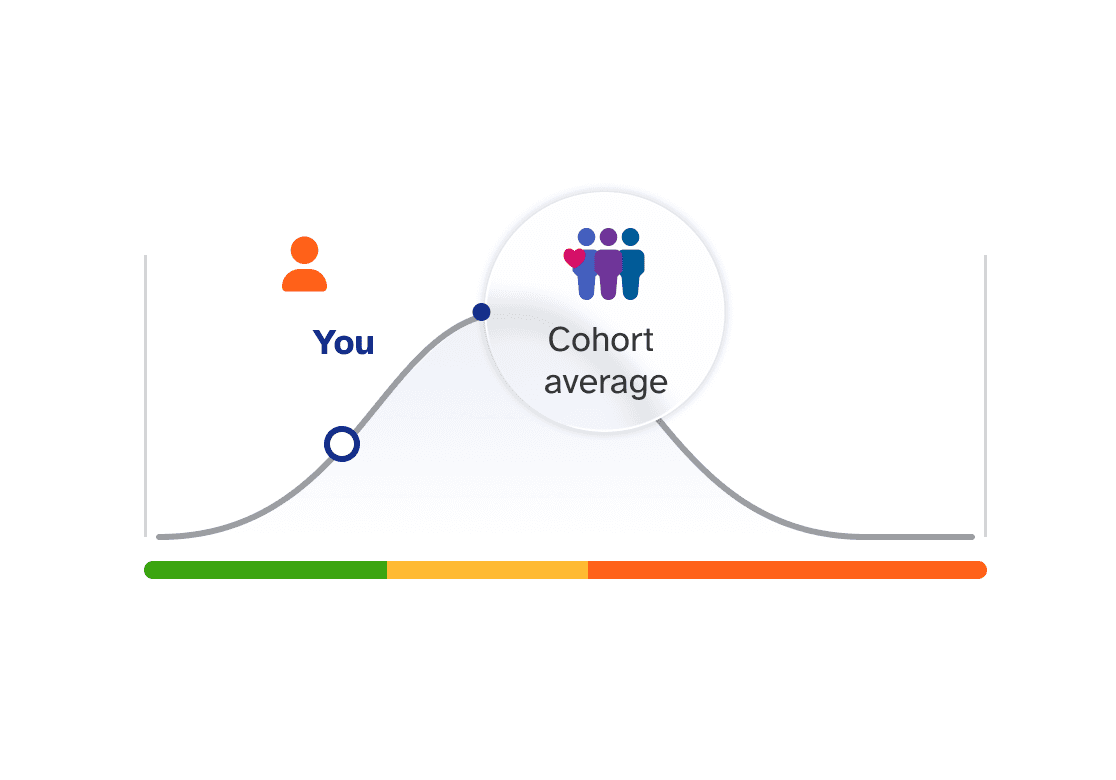
When you get blood work done, laboratories compare your results to reference ranges to determine if your levels are “normal,” “high,” or “low.” One common test measures neutrophils, a type of white blood cell essential for fighting infections. However, these reference ranges are often based on populations where Duffy null status is rare — meaning they don’t necessarily reflect what is “normal” for everyone.
Nearly 25% of healthy Black and African Americans with Duffy null status have neutrophil counts that fall below the standard “normal” range. They do not have an increased risk for infection or other health problems.
Because blood testing labs typically don’t account for Duffy status, the impact on the Black community is significant: Overall, more than 15% of all Black and African Americans have counts that may be flagged as “too low.”
When these natural genetic variations are ignored, individuals can be misdiagnosed with neutropenia (abnormally low neutrophil counts). This label can set off a chain reaction of downstream harms that affect quality of care, including unnecessary testing, exclusion from clinical trials, and delayed or reduced access to certain medications.
As Dr. Lauren Merz, Assistant Professor of Medicine, Division of Hematology/Oncology at the University of Michigan, who provided expert feedback on the 23andMe White Blood Cell Count (Duffy Antigen-Related) report, said:
“I’ve seen patients that are told that they might have cancer, go through painful bone marrow biopsies, miss out on joining clinical trials, or have critical medications like chemotherapy discontinued simply because their white blood cell counts were interpreted without understanding their Duffy status.”
Personalizing Your Health Care
This National Blood Donor Month, as we recognize the importance of blood types for transfusion, it is equally important to recognize how genetic markers like Duffy shape our personal health journey.
Knowing your Duffy status empowers you to have a more informed conversation with your doctor. By viewing your blood test results through the lens of your unique genetics, you can avoid unnecessary testing and ensure you’re getting the most effective, personalized care possible.
Interested in donating blood this National Blood Donor Month? Visit the American Red Cross website to check your eligibility and find a donation center near you.
23andMe+ Premium™ members can learn about their Duffy status in the White Blood Cell Count (Duffy Antigen-Related) report.
About the Author
Alisa Lehman, Ph.D. — Sr. Manager, Product Science
Dr. Alisa Lehman has been working at 23andMe since 2015 creating scientifically accurate, consumer-friendly genetic reports on ancestry and health topics. Dr. Lehman holds a B.S. in Biology from MIT, and a Ph.D. in Biological Sciences from Stanford University.