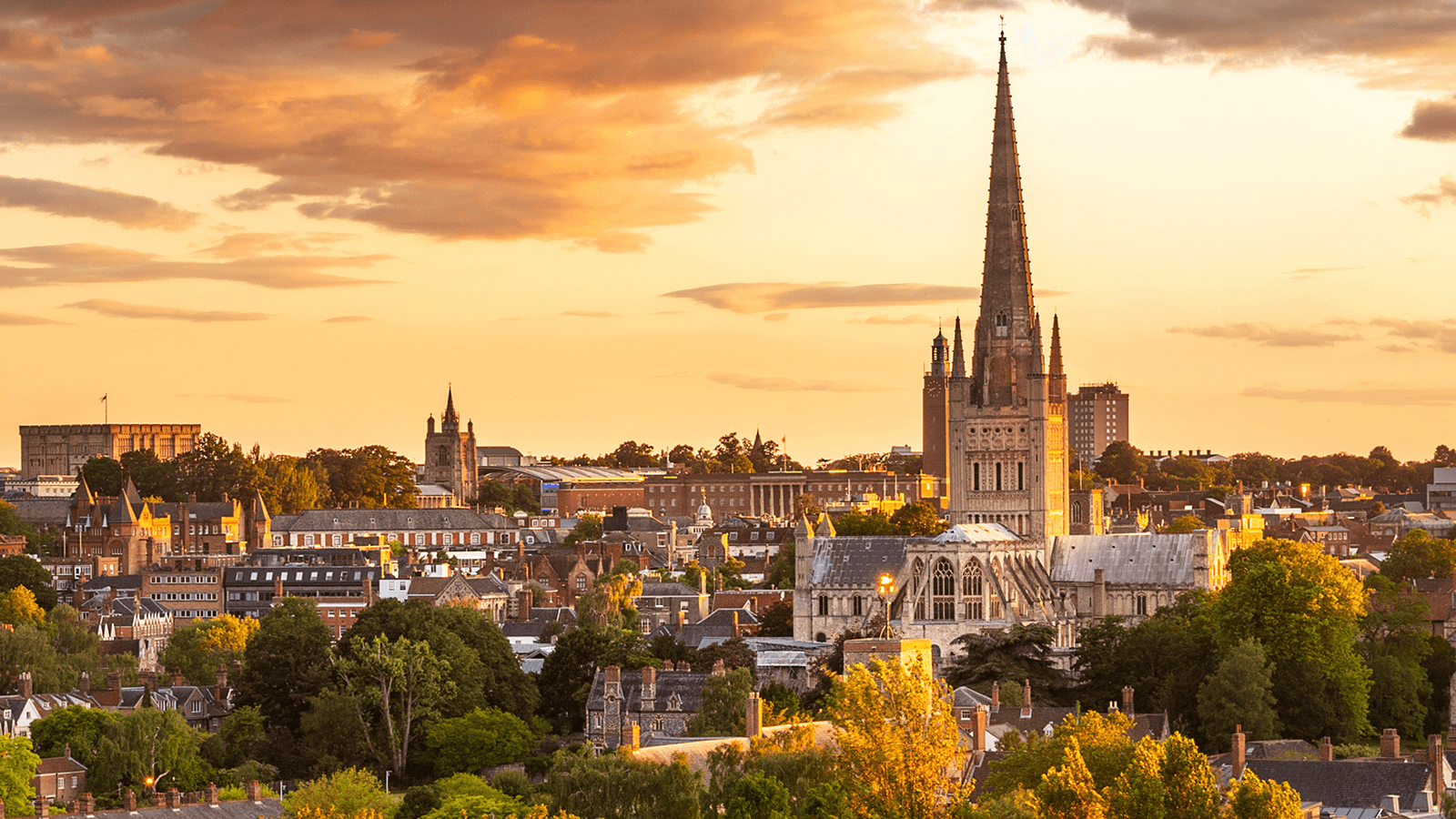
In 2004, a construction crew preparing to build a shopping center in Norwich, England, uncovered a disturbing mystery: a medieval well containing the commingled remains of at least 17 people. The positioning of the skeletons suggested they had been thrown in head-first, victims of a single, violent event. For years, the identity of these individuals remained unknown, their story lost to the silence of the well.
But thanks to ancient DNA technology, a team of researchers from the Natural History Museum and University College London was finally able to tell their story in a genetic study published in the journal Current Biology in 2022.
This month, 23andMe is adding these individuals to our Historical MatchesSM feature, allowing customers to see if they share a genetic connection to one of the earliest identified Ashkenazi Jewish communities in England. This update offers a poignant glimpse into this tragic moment in history.
Solving a Medieval Mystery
When archaeologists first analyzed the site, the chaotic nature of the burial suggested a catastrophe, such as famine, epidemic, or violent massacre, in which the victims were hastily buried by survivors in a makeshift grave. However the exact nature of this catastrophe remained a mystery.
In this genetic study, researchers sequenced the genomes of six individuals buried within the well, shedding new light on the individuals buried within the mass grave. Their analyses revealed that all six individuals shared strong genetic affinities with present-day Ashkenazi Jewish populations. Additionally, radiocarbon dating placed their deaths between 1161 and 1216 CE. This precise timeline, combined with their ancestry and the location of the well just south of the medieval Jewish quarter, pointed towards a specific historical tragedy in Norwich’s history: the antisemitic riots of February 6, 1190 CE, for which there is historically documented evidence of a massacre of the Jewish community in Norwich.
Family Connections
What makes this study particularly powerful is that it revealed that those buried in the well were not strangers, but a group of close relatives who likely sought shelter together during this violent massacre. Among the six individuals whose genomes were sequenced, the research team identified three young sisters and two other distantly related males. This suggests that the victims of this attack were not randomly selected from across the Norwich population, but instead that these may have been members of a single or small number of households or families who had gathered together for protection.
A Window into Genetic History
This study also provided the first genetic data for a Jewish community in medieval England, offering a new timeline for the Ashkenazi “genetic bottleneck”—a historical event detectable in the genomes of people with Ashkenazi Jewish ancestry where the population size was drastically reduced, leading to lower genetic diversity. While historians had previously theorized this bottleneck occurred later, during the persecutions of the 14th or 15th centuries, the genetic signatures in the Norwich individuals suggest it began centuries earlier.
This early genetic bottleneck is the reason why variants associated with specific hereditary diseases are common among modern Ashkenazi Jewish populations. With this in mind, the study team searched for these disease-associated markers and discovered that variants responsible for a number of conditions that occur at elevated frequency in Ashkenazi Jewish populations were already present in the medieval Norwich population at frequencies similar to those seen today. This finding challenges the long-held belief that such diseases became more common in this community later in history. Instead, the study demonstrates that the genetic factors affecting Ashkenazi Jewish health today have a lineage stretching back nearly a millennium, predating the major pogroms and expulsions of the later Middle Ages.
Honoring the Past
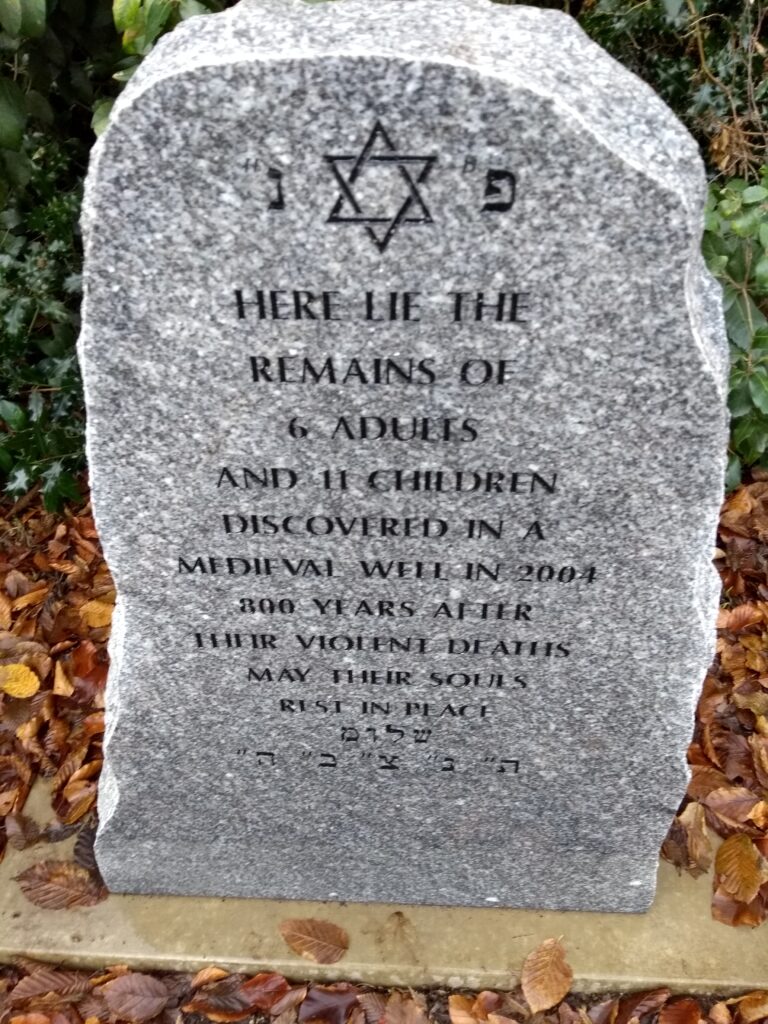
Although Jewish law typically prohibits the disturbance of human remains, the likely religious identity of these individuals was unknown during the initial rescue excavation in 2004. However, once researchers suspected that the remains might belong to members of the medieval Jewish community, they immediately consulted with the Norwich Hebrew Congregation. The study proceeded only after receiving specific permission from the Office of the Chief Rabbi to investigate the history of these individuals. Following the completion of osteological and genetic analyses, the remains were respectfully reinterred in the Jewish cemetery in Norwich during a multi-faith ceremony. Today, these individuals are remembered through a commemorative plaque placed near the original site of the well, ensuring their story is no longer lost to history.
Explore Your Connection
23andMe+ Premium™ members can now explore whether they share a genetic link to these individuals–and hundreds of others–through the Historical Matches feature.
A Note of Remembrance
We are releasing this update as we approach January 27, the United Nations-designated International Holocaust Remembrance Day. While the events in Norwich occurred centuries before the Holocaust, they serve as a somber reminder of the long history of antisemitism and the atrocities committed against Jewish communities throughout history.