A Remote Island at the Heart of History
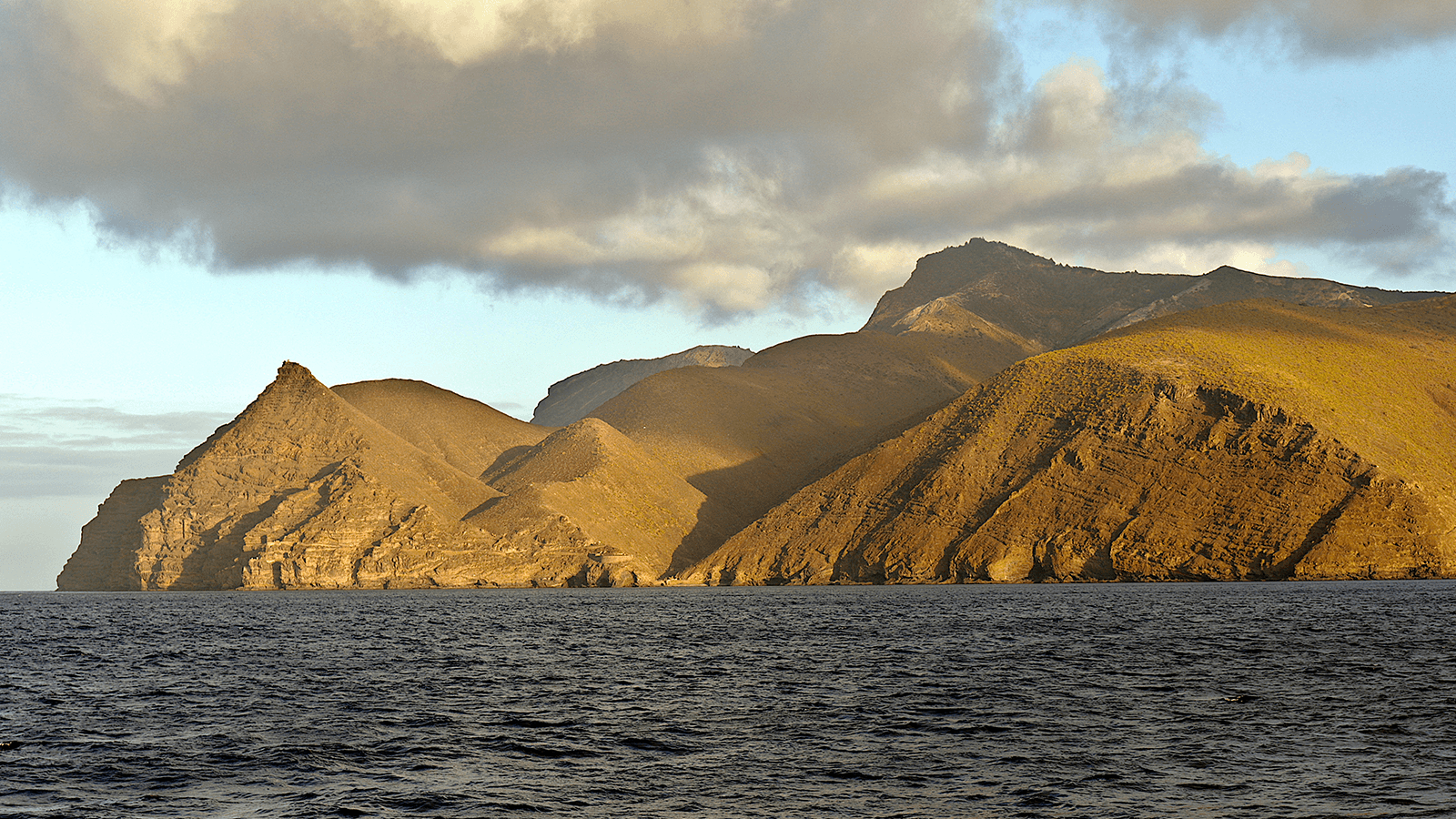
Located 1,200 miles from the coast of Africa, Saint Helena is perhaps best known as the final place of exile for Napoleon Bonaparte. However, the island’s genetic story is much more complex than a single French emperor.
While the Island of St. Helena was first sighted by Portuguese explorers in the early 16th century, its modern trajectory began in 1659 when the English East India Company established a permanent settlement. Its strategic position along the vital trade routes between Europe and Asia made it an important resupply station for ships rounding the Cape of Good Hope. This central role in maritime commerce resulted in a diverse blend of inhabitants from European settlers, Chinese laborers, and enslaved people brought from Madagascar, Malaysia, India, and Africa.
Starting in 1840, St. Helena became a pivotal base for the British Royal Navy’s campaign to suppress the transatlantic slave trade. Between 1840 and 1867, the Navy intercepted slave ships and brought approximately 27,000 “liberated Africans” to the island. While these individuals were freed from bondage, many had suffered immensely during the Middle Passage, and some of those who did not survive were buried on St. Helena. For centuries, the specific origins of those buried here were lost, until now.
Restoring Lost Connections
In 2007 and 2008 archeologists uncovered the remains of 325 individuals during roadwork on the north coast of St. Helena associated with the construction of the island’s first ever airport. Ancient DNA researchers sequenced the genomes of 20 of those individuals. This research has provided the first direct evidence of their origins:
- Geographic Roots: DNA revealed that these individuals likely originated from West Central Africa, specifically the region between northern Angola and Gabon.
- A Snapshot of the Trade: The genetic analysis aligned with broader archaeological findings that confirmed a significant sex bias: 17 of the 20 individuals were male. This reflects the documented patterns of the late-stage slave trade.
23andMe+ Premium™ members can now see if they share DNA with 7 of the 20 individuals whose genomes were sequenced who are now included in the Historical MatchesSM feature. This update means you may find a genetic connection to these specific historical individuals, helping to restore a genealogical bridge that was once thought to be permanently broken.
The Genetic Tapestry of Modern “Saints”
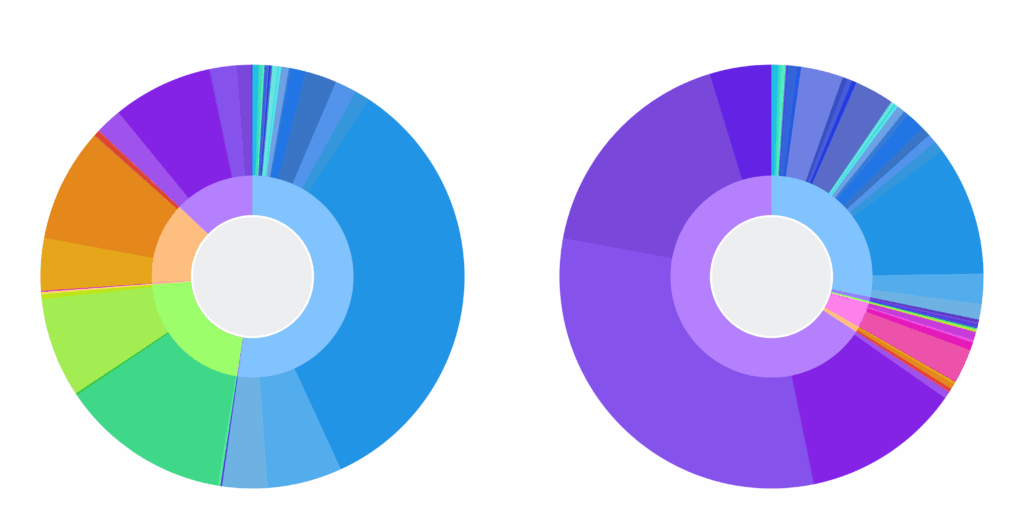
The story of St. Helena doesn’t end in the 19th century. Today’s islanders, known as “Saints,” carry a diverse genetic legacy shaped by the island’s role as a global crossroads. To investigate the modern genetics of St. Helena we looked at 23andMe members who reported recent ancestors from St. Helena, Ascension, and Tristan da Cunha. From this we created our new “Saint Helena, Ascension, and Tristan da Cunha” Genetic Group allowing 23andMe members to see if they have a connection to people from this British Overseas Territory within the Migrations section of their Ancestry Composition report.
In creating this Genetic Group we noticed some interesting highlights:
- The modern population is a blend of African, European, and Asian roots.
- “Saints” often show an interesting bias in their maternal and paternal lines. Maternal haplogroups frequently point toward Austronesian or South Asian ancestry, while paternal lines are often a mix of South Asian and European origins.
- Interestingly, there is little overlap between the people who match the liberated Africans in our Historical Matches and those who receive matches to the St. Helena Genetic Group. This might suggest that many of the liberated Africans eventually left the island or died without descendants who remained there, while the modern “Saints” who make up this Genetic Group may represent a separate chapter of the island’s vibrant history.
Why This Matters
Genetics is more than just percentages on a map; it can be a tool for historical justice and personal discovery. By studying both the ancient DNA of historical individuals and the data of modern populations, we can honor the legacy of those whose stories were omitted from history books. Whether you are a “Saint” yourself or a 23andMe member discovering a new connection to the South Atlantic, these updates remind us that our DNA is a living record of the journeys that shaped our world.