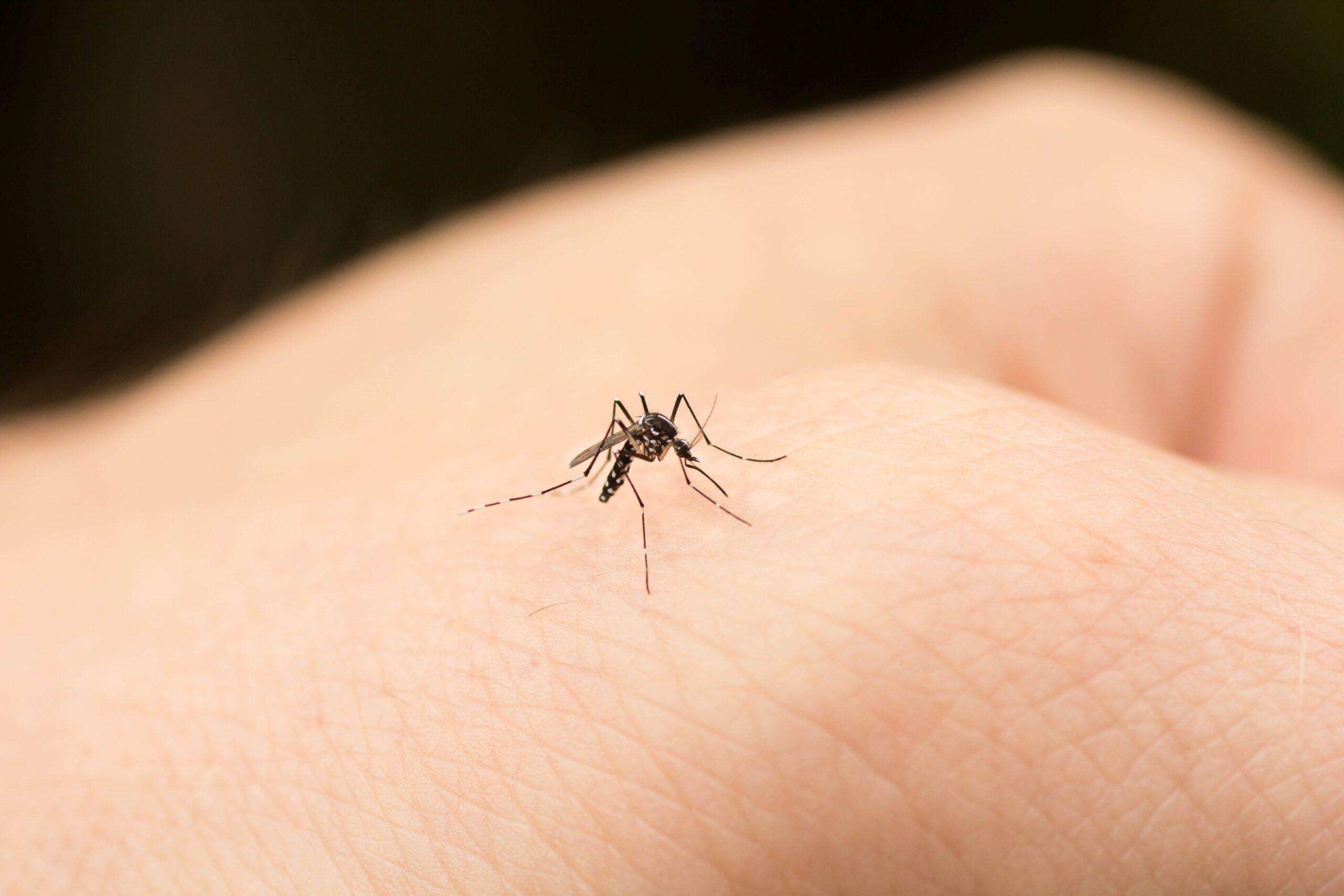
Every year on April 25th, the world observes World Malaria Day to highlight the ongoing effort to control and eliminate this devastating disease. This month, we are highlighting a study that searched for cases of ancient malaria infections across the globe to learn about its history and spread.
While most ancient DNA studies focus on the human DNA of the individuals whose remains were sampled, it is also possible to learn about the diseases these individuals carried by searching for pathogen DNA in their remains.
These kinds of studies have enabled researchers to investigate the origins and spread of ancient diseases that were otherwise nearly impossible to study. This is because many ancient diseases, including malaria, don’t leave clear physical evidence on skeletal remains. Furthermore, historical records of ancient epidemics often lack the specificity needed to identify exactly which diseases were present or where they originated.
In 2024, a team of researchers looked at ancient DNA to search for cases of malaria among more than 10,000 individuals. In this month’s update to the Historical MatchesSM feature, we are highlighting the stories of individuals buried at three ancient sites where malaria was detected. Each of their stories provides important new insights into the history of this ancient disease.
Spreading Malaria Along European Military Lines
In Europe, the cemetery of St. Rombout’s in Mechelen, Belgium, offers a window into the health of a continent at war. Sitting next to one of the world’s first permanent military hospitals, this site served as a burial ground for both local townspeople and foreign soldiers from the 12th to the 18th centuries.
While local residents, who were buried at this site before the hospital was established, showed fewer signs of infection, later individuals—thought to be soldiers who had traveled from the Mediterranean—were often found carrying multiple strains of malaria simultaneously. These findings highlight how the movement of armies turned European cities into crossroads for infectious disease.
Carrying Malaria to the Himalayan Peaks
The high-altitude site of Chokhopani sits 2,800 meters above sea level in the Nepalese Himalayas. This environment is far too cold and dry for the Anopheles mosquitoes that transmit malaria to survive. Yet, genomic analysis of an individual buried within one of the site’s cliffside tombs nearly 3,000 years ago revealed the presence of Plasmodium falciparum, the most virulent form of the malaria parasite.
Finding a tropical disease in a mountain environment provides clear evidence of human mobility. It tells us that this ancient individual had likely traveled to warmer, lower-altitude regions—possibly for trade—and carried the infection back to this highland site.
Tracking the Arrival of Malaria in the Americas
A central debate among disease researchers is whether malaria existed in the Americas prior to European contact or if it was brought there by European colonizers. The study of individuals from the site of Laguna de los Cóndores in Peru provides a pretty clear answer.
Researchers at the site discovered an individual with exclusively Indigenous American ancestry who lived during the period of initial European contact and was infected with Plasmodium vivax (a more widespread form of the malaria parasite). Crucially, the DNA of the parasite was most similar to historical European strains rather than those found elsewhere. This finding suggests that European colonizers acted as the primary vector for introducing these specific malaria strains to the Indigenous populations of the Andes.
Learn More
Want to see if you share a genetic connection with any of the ancient malaria-infected individuals highlighted in this study—or with hundreds of other historical individuals? The Historical Matches feature is available to 23andMe+ Premium™ members.