
Key Takeaways
|
If you have ever spent a May morning sneezing your way through a pollen cloud, or watched a child scratch at itchy patches of eczema, you are not alone. May is Asthma and Allergy Awareness Month, and according to the Asthma and Allergy Foundation of America, more than 100 million people in the United States experience some form of allergy each year. Behind those numbers sits a deep and tangled biology, one that 23andMe scientists and their academic collaborators have been working to untangle for more than a decade.
A decade-plus of allergy and asthma genetic research
In 2013, 23andMe researchers led a genome-wide association study (a GWAS, which looks across the genome for genetic variants more common in people with a given trait) of nearly 54,000 people with self-reported allergies. That early study identified 16 genetic variants associated with cat, dust-mite and pollen allergies, eight of which overlapped with asthma. In the years that followed, 23andMe contributed to more than a dozen additional publications.
A 2017 paper in Nature Genetics analyzed about 360,000 people and identified 136 genetic variants associated with asthma, hay fever or eczema. This showed that these conditions may have a common genetic foundation rooted in immune regulation. Follow-up work in 2019 and 2020 pushed further, surfacing eleven additional variants in or near nine genes associated with allergies, and finding additional genetic variants associated with developing allergies, asthma and eczema at a very early age.
Digging more into age of onset, a 2019 analysis using UK Biobank data, and then replicated with 23andMe data, found that around 30% of the genetic variants associated with asthma were shared between childhood-onset and adult-onset asthma, but most genetic variants were distinct.
A 2023 multi-ancestry analysis that included more than 3 million consented 23andMe research participants identified new genetic variants associated with eczema. Importantly, this work included a diverse set of participants that enabled the discovery of two genetic variants that may be associated with eczema specifically in people of Japanese ancestry. It’s a reminder that studying diverse populations matters for finding new genetic associations.
Insights don’t stop at the journal page
Discoveries from the 23andMe Research Institute don’t sit on a shelf. Many of them flow directly into the reports you can see in your 23andMe+ Premium™ account, including five that are especially relevant this month: Asthma and Eczema (Atopic Dermatitis), which can be found with other Health Predisposition reports, and Cat Allergy, Dog Allergy, and Seasonal Allergies*, which can be found with other Wellness reports.
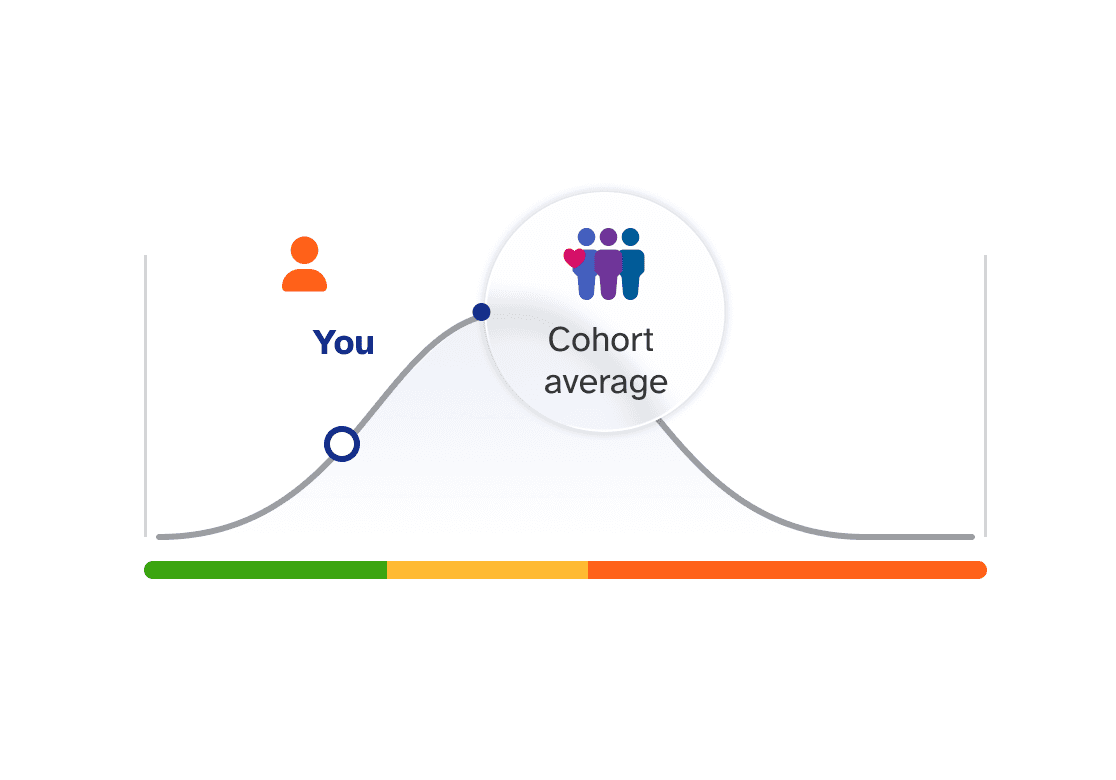
Each of these reports uses a polygenic score, a calculation that adds up the small effects of many genetic variants to estimate your likelihood of developing a condition. This information, alongside other factors like family history and environment, may help you understand and manage these conditions.
The genetic variants drawn on by these reports trace back to research like that above, which is to say, they trace back in part to consented 23andMe research participants who answered survey questions about their own allergies and asthma. The more people contribute, the better the science gets, and the better the reports become for the next generation of 23andMe members.
What you can do this allergy season
Genetics is only one piece of why asthma or allergies show up in your life, and there is plenty you can do regardless of what your genes say.
- Track your triggers. Keeping a simple log of when symptoms flare can help you and your clinician spot patterns, whether the culprit is tree pollen, a particular pet or an indoor mold.
- For those with asthma, recognize the warning signs of an asthma attack and create a plan for action. Catching an asthma attack early can prevent severe symptoms.
- Check your reports. Your 23andMe Asthma, Eczema (Atopic Dermatitis) and allergy-related reports can give you a sense of your genetic likelihood, which may be useful context to share with a healthcare professional.
- Talk to a clinician. If symptoms are persistent or affecting daily life, allergists and dermatologists have a growing toolkit of treatments.
The science that built today’s reports were powered by people willing to share a little about their own health. 23andMe research participants are helping to shape new discoveries. The next finding might just turn into the next report.
*The 23andMe Asthma, Eczema (Atopic Dermatitis), Cat Allergy, Dog Allergy, and Seasonal Allergies PRS reports are based on a genetic model that includes data and insights from 23andMe consented research participants and incorporates many genetic variants to provide information on the likelihood of experiencing these conditions. These reports do not describe a person’s overall likelihood, do not account for lifestyle or family history and have not been reviewed by the US Food and Drug Administration. These reports are not intended to tell you anything about your current state of health, or to be used to make medical decisions or determine any treatment.