
Key Takeaways
|
At the 23andMe Research Institute, our mission has always been to turn complex genetic data into meaningful health insights. Today, we are excited to announce the latest addition to our 23andMe+ Premium™ membership: the Raynaud’s Syndrome Polygenic Risk Score (PRS) Report*, which provides an estimate of an individual’s likelihood of having Raynaud’s. Understanding your genetic predisposition can be helpful in taking proactive steps to identifying and managing symptoms of Raynaud’s.
Genetics of Raynaud’s
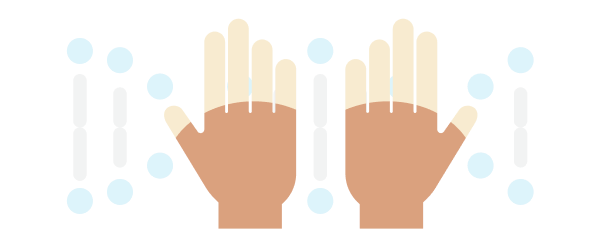
Raynaud’s syndrome is a condition where small blood vessels in the fingers and toes react more strongly than usual to cold or stress. During a Raynaud’s attack these blood vessels narrow, which temporarily limits blood flow. Skin may change color to white and blue as blood flow decreases and then to red as blood flow returns. For those with darker skin tones, the skin may become pale and then dark purple.
In the U.S. up to 5% of people have Raynaud’s syndrome, and genetics is known to be a strong contributor. A recent large-scale genome-wide association study (GWAS) identified eight locations in the genome associated with Raynaud’s. These genes play important roles in the body’s stress response, the immune system, and the cells lining blood vessels, providing insights into the biological basis of Raynaud’s and why some people are more likely than others to have the condition.
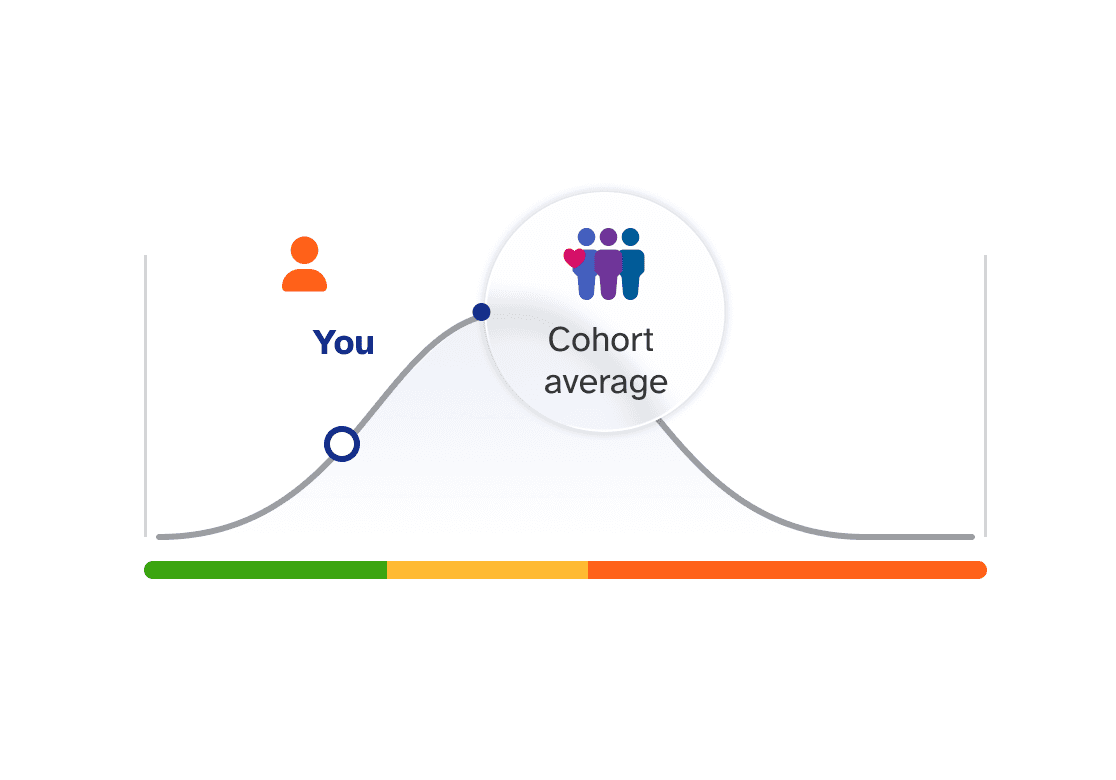
23andMe researchers independently investigated if it was possible to build a polygenic risk score (PRS) for Raynaud’s. A PRS is a statistical model that uses information from many genetic markers across the genome to estimate an individual’s likelihood of having a condition. Researchers were able to generate a PRS that analyzes more than 2,000 genetic variants to estimate the likelihood of having Raynaud’s syndrome. This PRS, which powers 23andMe’s Raynaud’s Syndrome report, is the product of rigorous genetic research built upon a cycle of discovery driven by data from more than 3 million consented research participants.
Beyond Genetics: Risk Factors
While your DNA plays a role, several other factors can increase your likelihood of having Raynaud’s, including:
- Birth sex and climate: Raynaud’s is more common in women and those living in colder regions.
- Certain health conditions and medications: Conditions such as scleroderma, lupus, rheumatoid arthritis, carpal tunnel syndrome, and certain blood vessel diseases can increase risk of secondary Raynaud’s, which is caused by another underlying health condition or other external factor. So can some medications used for high blood pressure, migraine, and ADHD.
- Work environment: Frequent use of vibrating tools or repetitive hand motions (like typing or playing piano) can increase risk for Raynaud’s.
Taking Action
While you can’t change your DNA, understanding your genetics can empower you to manage your environment. If you experience Raynaud’s symptoms, experts recommend:
- Dress in layers and wear mittens when it’s cold outside, and take steps to stay warm even in air-conditioned rooms or frozen food aisles.
- Try warming up your car for a minute before driving, and use insulated cups for cold drinks to avoid sudden temperature shifts.
- Exercise regularly to improve overall blood flow, which can reduce the frequency and severity of Raynaud’s attacks.
- Limit caffeine and nicotine. Both substances can narrow blood vessels and make Raynaud’s symptoms worse.
- Since stress can also be a trigger, practices like meditation or deep breathing can help keep attacks at bay.
Discover Your Genetic Predisposition
The Raynaud’s Syndrome PRS report was made possible thanks to millions of consented 23andMe participants who contribute to research. This collaborative effort empowers 23andMe scientists to uncover new genetic insights, deliver personalized information to our members, and potentially help identify future treatments for people to live more comfortably.
If you are a 23andMe+ Premium member, you can now access your Raynaud’s Syndrome PRS Report (along with your other Health Predisposition reports) to see how your genetics influence your chances of having this condition.
Note: Due to limited data, the PRS driving this report failed to meet our performance standards for members of East and Southeast Asian descent, and members from these ancestries are not able to receive a personalized genetic result at this time. We hope with additional data and research we may be able to provide these members a result in the future.
* The 23andMe Raynaud’s Syndrome PRS report is based on a genetic model that includes data and insights from 23andMe consented research participants and incorporates more than 2,000 genetic variants to provide information on the likelihood of experiencing Raynaud’s syndrome. The report does not describe a person’s overall likelihood, does not account for lifestyle or family history and has not been reviewed by the US Food and Drug Administration. The Raynaud’s Syndrome PRS report is not intended to tell you anything about your current state of health, or to be used to make medical decisions or determine any treatment.