
Key Takeaways
|
Here’s a sobering number to sit with: roughly one in five Americans will develop some form of skin cancer by age 70, making it the most common cancer in the United States. May is Skin Cancer Awareness Month, a good moment to talk about how the sun, your skin, and your DNA come together to shape your personal risk.
The Genetic Story Behind Skin Cancer
Skin cancer isn’t one disease but several. Melanoma, though less common, is often more dangerous because it’s more likely to spread to other organs. Basal cell carcinoma (BCC) and squamous cell carcinoma (SCC), together called non-melanoma skin cancers, are far more common and usually less aggressive, though SCC can spread if left untreated.
23andMe Research on Skin Cancer
Over the last decade, scientists at the 23andMe Research Institute have worked alongside collaborators and with hundreds of thousands of consented participants to map the DNA markers associated with these cancers. This research helps scientists worldwide hunt for better treatments and identify those who may need more aggressive screening.
Key milestones from our research community include:
- A 2016 study that found 14 new genetic variants associated with BCC.
- A 2022 study that identified 19 additional BCC genetic variants and 15 SCC-associated genetic variants.
- Most recently, a study that was able to identify 36 new BCC genetic variants, 33 of which also showed associations with SCC risk.
Connecting the Dots: Polygenic Risk Scores
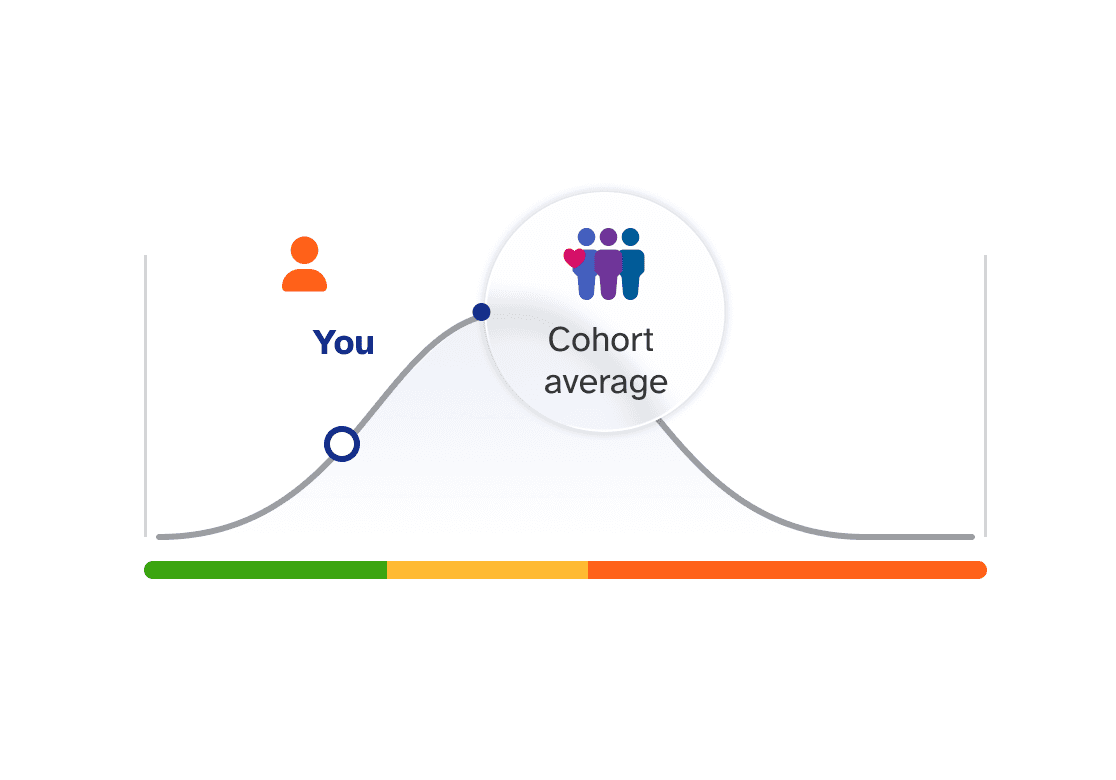
To make sense of all these different genetic variants, which individually have small overall effects on skin cancer risk, scientists combine them into disease risk scores, also called polygenic risk scores, that summarize the contribution of many genetic variants at once.
In 2021 23andMe researchers combined genetic variants and non-genetic factors (including things like age, pigmentation traits, mole counts, sun exposure history, and family history) to create scores that predict the likelihood of developing BCC, SCC, and melanoma. These risk scores also predicted earlier age of skin cancer diagnosis.
An Unexpected Connection
One of the more intriguing findings: genes that protect against vitiligo (the autoimmune condition that causes patches of skin to lose pigment) appear to increase skin cancer risk. This suggests that the same genetic “wiring” that tells your immune system how to interact with your skin’s pigment cells may also play a role in defending against skin cancer.
The 23andMe Skin Cancer Reports
At 23andMe, our goal is to not only make new genetic discoveries, but to transform these scientific discoveries into personalized insights that empower members to take action. To translate this science into something personal we created two reports: the Skin Cancer (Melanoma)* and Skin Cancer (Basal and Squamous Cell Carcinomas)** PRS reports, which estimate your likelihood of developing skin cancers based on many genetic variants. Both reports are powered by polygenic risk scores and are available to 23andMe+ Premium™ members.
These reports can’t tell you whether you will get skin cancer, but they do give you one more piece of information to weigh alongside your skin type, sun exposure history, and family history when thinking about prevention and screening.
The Gap in Genetic Research
Skin cancer affects people of every background, but the conversation around it has historically centered on lighter-skinned populations. People with darker skin have a lower overall incidence of skin cancer, yet they often face worse outcomes in part because melanomas in people of color more often appear in less sun-exposed places like the palms, soles, and under the nails, where they can go unnoticed until later stages.
Much of the foundational genetic research on skin cancer has also been conducted primarily in people of European descent, which limits how well polygenic risk scores perform for people of other ancestries. In fact, the polygenic risk score behind the 23andMe Skin Cancer (Melanoma) and Skin Cancer (Basal and Squamous Cell Carcinomas) reports did not perform well enough to deliver results to people of all backgrounds, and unfortunately these members are not able to receive their personalized genetic results for these topics. The Skin Cancer (Melanoma) genetic results are not available for individuals of East/Southeast Asian, South Asian, or Sub-Saharan African/African American descent, and the Skin Cancer (Basal and Squamous Cell Carcinomas) genetic results are not available for individuals of East/Southeast Asian or South Asian descent.
This is precisely why expanding who participates in genetic research is so important. The more people of all ancestries, backgrounds, and ethnicities participate in research, the stronger and more inclusive these insights become. 23andMe research participants are on the forefront of helping change this, for themselves and for future generations. Learn more here.
What You Can Do
Genetics is one part of the story you can’t change, but almost everything else about skin cancer prevention is in your hands:
- Wear broad-spectrum sunscreen (SPF 30 or higher) daily, even when it’s cloudy, and reapply every two hours outdoors.
- Seek shade, especially between 10 a.m. and 4 p.m., when UV radiation is strongest.
- Skip tanning beds. Their UV exposure can contribute to melanoma and other skin cancers.
- Do a monthly self-check. Look for new or changing moles, sores that bleed or don’t heal, and anything that’s new or changing in size, shape, or color.
- See a dermatologist for a full-body skin exam, especially if you have a personal or family history of skin cancer.
Catching skin cancer early dramatically improves outcomes. Most skin cancers, when found early, are highly treatable.
If you’re a 23andMe+ Premium member, take a few minutes this Skin Cancer Awareness Month to review your Skin Cancer (Melanoma) and Skin Cancer (Basal and Squamous Cell Carcinomas) reports, and then put sunscreen on tomorrow morning.
* The 23andMe Skin Cancer (Melanoma) PRS report is based on a genetic model that includes data and insights from 23andMe consented research participants and incorporates more than 1,800 genetic variants to provide information on the likelihood of experiencing melanoma. The report does not describe a person’s overall likelihood, does not account for lifestyle or family history and has not been reviewed by the US Food and Drug Administration. The Skin Cancer (Melanoma) PRS report is not intended to tell you anything about your current state of health, or to be used to make medical decisions or determine any treatment.
** The 23andMe Skin Cancer (Basal and Squamous Cell Carcinomas) PRS report is based on a genetic model that includes data and insights from 23andMe consented research participants and incorporates more than 11,000 genetic variants to provide information on the likelihood of experiencing basal and squamous cell carcinomas. The report does not describe a person’s overall likelihood, does not account for lifestyle or family history and has not been reviewed by the US Food and Drug Administration. The Skin Cancer (Basal and Squamous Cell Carcinomas) PRS report is not intended to tell you anything about your current state of health, or to be used to make medical decisions or determine any treatment.