
Key Takeaways
|
March is Sleep Awareness Month, a time to focus on one of the most vital pillars of our health: sleep. While we often prioritize diet and exercise, the quality of our rest plays a massive role in how we feel, think, and function every single day — and research is showing sleep is increasingly important for living a longer, healthier life.
The Power of a Good Night’s Rest
Getting enough, and getting high-quality sleep is about more than just avoiding grogginess. According to the CDC, consistent, healthy sleep can help you:
- Boost your immune system, helping you get sick less often.
- Maintain a healthy weight and improve your metabolism.
- Lower your risk for serious chronic conditions like type 2 diabetes, heart disease, high blood pressure, and stroke.
- Support mental health by reducing stress and improving your overall mood.
- Sharpen your mind, improving your attention and memory for daily tasks.
- Keep you safe, reducing the risk of motor vehicle crashes and injuries.
Introducing the New Sleep Paralysis PRS Report
23andMe members can already explore genetic insights into certain sleep-related topics (such as insomnia and obstructive sleep apnea), and we are excited to expand these insights for 23andMe+ Premium™ members with our new Sleep Paralysis Polygenic Risk Score (PRS)* report.

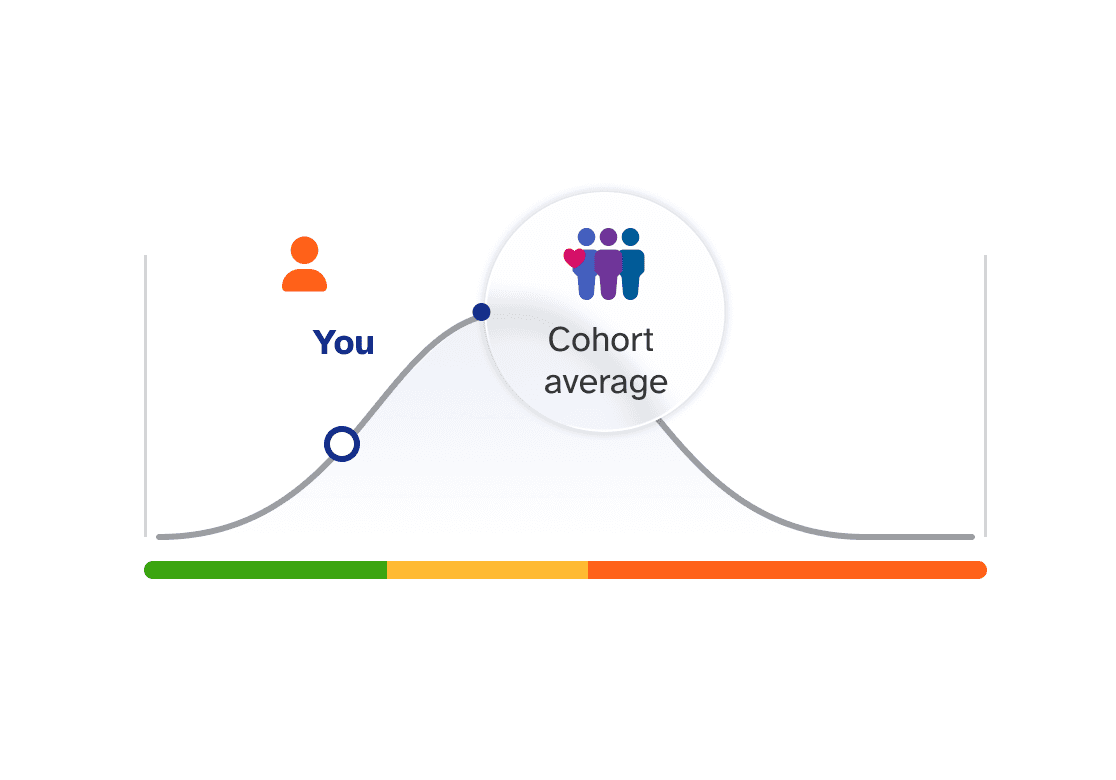
Sleep paralysis is the temporary inability to move or speak while falling asleep or waking up. While these episodes can be brief and sometimes distressing, they are not dangerous. Our new report uses a polygenic score (a model that looks at thousands of small genetic variants) to help you understand your genetic likelihood of experiencing sleep paralysis.
Tips for Better Sleep Hygiene
Regardless of your genetic predispositions, good sleep hygiene can make a world of difference. If you experience sleep paralysis or struggle with general sleep quality, consider these tips:
- Adjust your sleeping position: Sleep paralysis is more common when sleeping on your back; try switching to your side.
- Do your best to stay consistent: Go to bed and wake up at the same time every day, even on weekends, to regulate your internal clock.
- Try to create a sanctuary: Keep your bedroom dark, quiet, and comfortable.
- Unwind early: Try meditation or a warm bath before bed to lower stress.
- Watch your intake: Limit alcohol and caffeine in the evening, as both can interfere with deep, restorative sleep.
More Genetics of Sleep
What about other ways genetics impacts sleep? Have you ever wondered why you’re a night owl while your partner is an early bird? Or why some people can fall asleep the second their head hits the pillow while others toss and turn? Your DNA may hold some answers.
At 23andMe, we have a number of sleep-related reports, including:
- Wake-up Time: Explore how your genetics nudge you toward being a natural morning person or a night owl.
- Insomnia: Discover how your DNA may influence your likelihood of having trouble falling or staying asleep.
- Obstructive Sleep Apnea: Identify if your genetics give you an increased likelihood of developing this common sleep-related breathing disorder.
- Restless Legs Syndrome: Understand the genetic components of this uncomfortable nighttime sensation.
Ready to see what your DNA says about your sleep? 23andMe+ Premium members can find the new Sleep Paralysis report and other sleep-related reports in the Wellness section of their account today.